From Linear TV to CTV: The Shift in Programmatic Advertising Channels
The Evolving TV Landscape
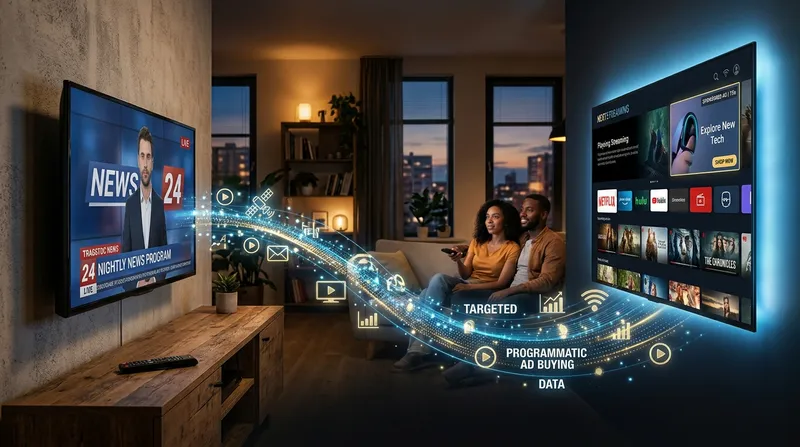
The rapid growth of digital media has heralded significant changes in the ways consumers interact with content. Over the past decade, there's been a marked shift in viewer habits—from traditional linear television to Connected TV (CTV). This evolution is not just a transformation in technology, but also in how advertisers reach and engage with audiences.
Understanding Connected TV
Connected TV refers to any type of television set used to stream video over the internet. This can include Smart TVs, game consoles, or other devices like Roku, Amazon Fire Stick, and Apple TV. Unlike linear TV, which broadcasts content at a specific time, CTV allows viewers the flexibility to access on-demand content, leading to a profound change in viewer preferences and behavior.
The Rise of Ad-Supported Streaming Platforms
Ad-supported video-on-demand (AVOD) platforms, such as Hulu and Peacock, have capitalized on this shift by offering a blend of subscription and advertising models. This paradigm allows advertisers to tap into highly engaged audiences who are actively choosing their content—a stark contrast to the passive consumption model of traditional TV.
How Programmatic Aligns with CTV
The transition to CTV creates an expansive opportunity for programmatic advertising. Unlike traditional TV advertising, which often involves lengthy negotiation and commitments for time slots, programmatic advertising allows for real-time bidding, audience targeting, and dynamic insertion of ads during viewing.
Audience Targeting and Personalization
Programmatic approaches enable advertisers to utilize data-driven insights to target specific audience segments more precisely than ever before. This ability to hone in on viewer preferences and behavior not only increases the relevancy of ad content but also boosts engagement rates significantly.
Enhancing Precision with Data
Leveraging first-party data and integrating it with third-party insights enables more refined audience segmentation. By understanding the viewing habits and preferences, companies can create tailored ad experiences that resonate on a personal level.
Navigating Challenges and Maximizing Opportunities
Even with the advantages, moving to CTV is not without its challenges.
Addressing Ad Fraud and Viewability Concerns
One significant hurdle for programmatic CTV advertising is ensuring viewability and protection against ad fraud. As with all digital forms of advertising, the automated nature of programmatic can sometimes facilitate fraudulent impressions. However, advancements in verification and fraud-detection technologies are making strides to combat these issues.
Increasing Inventory Access
The CTV space is still evolving, which means ensuring ample inventory can present challenges. Building partnerships with AVOD platforms and media owners can help advertisers expand their reach and ensure their content is seen by the desired audience.
Privacy Regulations and Compliance
Operating within the framework of existing privacy regulations such as GDPR and CCPA is paramount. Advertisers need to obtain the necessary consents and maintain transparency to build trust with their audiences.
The Future of Programmatic in CTV
The transition from linear to CTV provides a fertile ground for innovative programmatic strategies. As technology continues to advance, the ability to create and measure personalized ad experiences in real-time will only improve.
Embracing New Tech
Emerging technologies like AI can further enhance programmatic CTV by predicting consumer behavior trends and personalizing ad experiences dynamically. Furthermore, the convergence of AR and VR with CTV platforms may soon offer entirely new ad formats and interactive experiences.
Increasing Brand Safety Measures
As advertisers adopt advanced machine learning algorithms, they can ensure that their ads appear only in brand-safe environments while maximizing the impact through precise targeting.
Conclusion
The shift from linear TV to Connected TV represents not just a change in technology, but a complete overhaul of how brands communicate with consumers. As the medium continues to grow, mastering programmatic technologies will be essential for reaching audiences in a fragmented and richly diverse viewing landscape. Those who navigate this transition effectively will find new avenues for engagement and considerable opportunities in their advertising strategies.