The Impact of Retail Media Networks on Programmatic Advertising
Introduction
The convergence of retail and media through Retail Media Networks (RMNs) is transforming the programmatic advertising landscape. With the retail media market expected to grow rapidly, this paradigm shift offers a unique opportunity for advertisers to engage consumers at the point of purchase, thereby influencing shopping behavior more effectively.
The Rise of Retail Media Networks
What Are Retail Media Networks?
Retail Media Networks are digital advertising platforms run by retailers, allowing brands to advertise on retailer's websites, apps, and other digital properties. These networks leverage first-party data from the retailer to offer granular audience targeting.
Growth and Trends
According to recent industry reports, retail media ad spending is projected to surpass $52 billion by 2024. This surge is driven by the ability of RMNs to provide brands with robust data insights and direct access to consumers during pivotal decision-making moments.
How Retail Media Networks Integrate with Programmatic Advertising
Enhanced Targeting Capabilities
RMNs offer advertisers access to rich, first-party consumer data, allowing for more accurate programmatic targeting. This integration enhances the precision of programmatic campaigns outside of traditional open web ecosystems.
The Role of Supply-Side Platforms
Supply-Side Platforms (SSPs) within RMNs facilitate automated ad sales, streamlining transactions between advertisers and retailers. This automation is key in ensuring efficient inventory management and maximizing ad revenue for retailers.
Benefits of Retail Media Networks for Advertisers
More Accurate Customer Insights
Retailers' direct-to-consumer relationships produce vast amounts of shopper data, enhancing audience segmentation and ad personalization. Brands can use this data to tailor messages that resonate with specific consumer behaviors and preferences.
Closed-Loop Attribution
One of the biggest advantages of advertising through RMNs is the ability to measure the direct impact of digital ads on in-store and online sales. This closed-loop attribution helps advertisers understand ROI more effectively and refine their spending strategies.
Challenges and Considerations
Data Privacy Concerns
With increased scrutiny on data practices, RMNs must navigate complex privacy regulations. Ensuring compliance with regulations such as GDPR and CCPA is critical in maintaining consumer trust.
Platform Fragmentation
As more retailers develop their own media networks, advertisers face the challenge of managing campaigns across multiple platforms. This fragmentation requires sophisticated analytics tools and strategic oversight to ensure campaign consistency and effectiveness.
The Future of Programmatic and Retail Media
The Role of Artificial Intelligence
AI-driven insights are set to further refine targeting capabilities within RMNs, improving automation and decision-making processes. The use of AI in predicting consumer trends will drive more sophisticated and responsive ad campaigns.
Expanding Beyond E-commerce
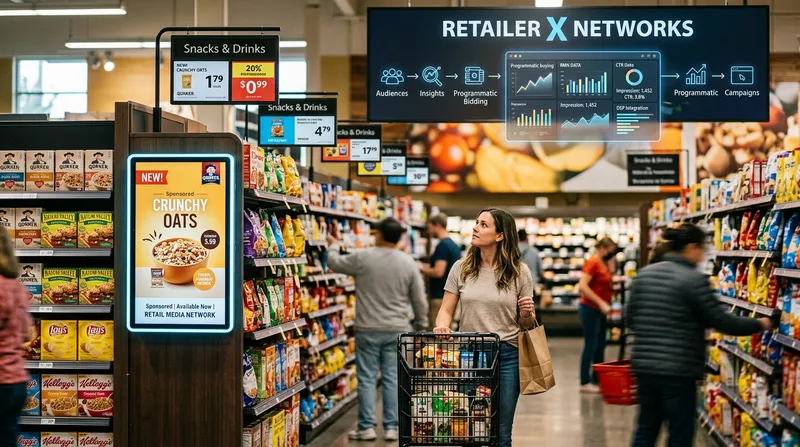
While initially rooted in e-commerce, RMNs are poised to expand into physical retail locations through innovative tech solutions like digital displays and in-store kiosks, blending the line further between digital and in-store experiences.
Conclusion
Retail Media Networks provide a powerful avenue for brands to reach consumers in innovative ways. By integrating programmatic advertising with first-party retail data, advertisers can realize improved consumer engagement, better ROI, and more precise ad targeting. As technology and consumer expectations evolve, the intersection of retail and media in the form of RMNs will continue to expand, offering proponents of programmatic advertising exciting new pathways to growth.