Harnessing Programmatic Out-of-Home Advertising: Digital Connectivity in the Physical World
Introduction
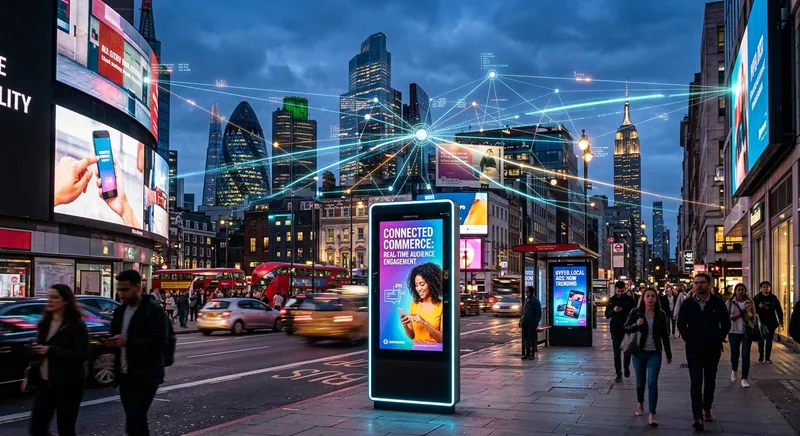
In the constantly evolving realm of digital advertising, programmatic out-of-home (OOH) is emerging as a powerful new frontier. Once restricted to static billboards and posters, out-of-home advertising is now harnessing programmatic technology to deliver dynamic, location-based advertisements that are as versatile and data-driven as online campaigns. This article delves into the dynamics of programmatic OOH, its advantages, challenges, and its transformative potential.
The Transition from Traditional to Programmatic OOH
The Limitations of Traditional OOH
Traditional out-of-home advertising has long been a mainstay for brands wanting to reach large audiences. However, the static nature of these ads posed limitations in terms of personalization, measurement, and flexibility. The content had to cater to broad demographics, making it difficult to tailor messages for specific audiences.
The Programmatic Advantage
Programmatic OOH overcomes these limitations by using digital screens and programmatic platforms that allow advertisers to dynamically change ads based on time, location, and audience data. This transition is akin to moving from traditional media buying to real-time bidding online, where data informs every advertising decision.
Key Benefits of Programmatic OOH
Precision and Flexibility
One of the most significant benefits of programmatic OOH is the ability to target ads with precision. Advertisers can adjust creative content automatically in response to environmental triggers such as weather, events, or audience demographics. This flexibility ensures that ads are relevant and timely.
Enhanced Measurement and Attribution
With advanced tracking technologies, programmatic OOH campaigns offer more accurate measurement capabilities. Advertisers can use key performance indicators such as foot traffic analysis and demographic insights to determine the effectiveness of their campaigns. This data brings accountability and precision to a medium that was once difficult to measure.
Budget Efficiency
Programmatic OOH allows for more efficient budget allocation. Rather than committing to extensive campaigns in static formats, brands can optimize their spending based on real-time performance data, adjusting their strategies quickly to reflect consumer behavior and preferences.
Technological Drivers Enabling Programmatic OOH
IoT and Location Data
The Internet of Things (IoT) is a driving force behind programmatic OOH. Devices and sensors collect a wealth of real-time data, including location and behavioral information, which can be leveraged to deliver highly targeted ads. Advertisers can create more engaging and contextually relevant experiences for consumers.
Artificial Intelligence and Machine Learning
AI and machine learning algorithms are crucial in analyzing large data sets to extract meaningful insights and predict trends, enabling advertisers to make data-driven decisions. These technologies help customize marketing messages at scale, enhancing the personalization aspect of programmatic OOH.
Overcoming Challenges in Programmatic OOH
Privacy Concerns
As with any area of digital advertising, privacy remains a critical issue. The use of location and behavioral data must comply with privacy regulations like GDPR and CPRA. Transparency and consumer consent are essential to maintain trust while leveraging data for campaign execution.
Fragmented Ecosystem
The programmatic OOH landscape is still fragmented, with various players and platforms offering different capabilities. Standardization and integration across platforms are necessary to simplify the buying process and ensure seamless execution of campaigns.
The Future of Programmatic OOH
The potential for programmatic OOH is vast, with emerging technologies such as augmented reality and 5G poised to further enhance its effectiveness. As digital experiences become more connected to the physical world, advertisers will be able to craft immersive and interactive campaigns that engage consumers in new, impactful ways.
Conclusion
Programmatic out-of-home advertising represents a significant evolution in the way brands connect with consumers in the physical world. By marrying the precision of digital advertising with the reach of traditional OOH, programmatic technology offers advertisers an innovative way to deliver personalized and engaging experiences. As the sector continues to develop, its capacity for integration with other digital touchpoints will unlock even greater opportunities for advertisers looking to capture attention in a crowded media landscape.