The Silent Revolution: How Programmatic Strategies are Integrating with 5G Networks
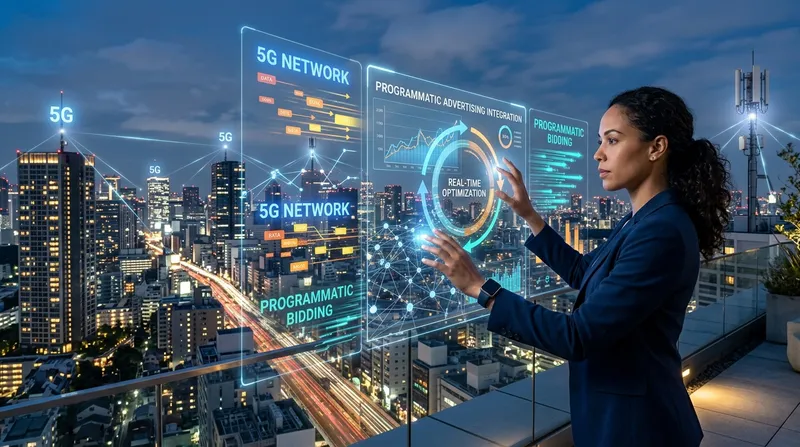
In the rapidly evolving world of digital advertising, programmatic strategies continuously push boundaries to optimize engagement and conversion. With the expansion of 5G networks globally, a new frontier opens for programmatic advertising, offering unprecedented speed, connectivity, and precision targeting capabilities.
The Intersection of 5G and Programmatic Advertising
5G technology promises a transformative impact on mobile connectivity with speeds up to 100 times faster than 4G. It reduces latency significantly, enabling near-instantaneous data transmission, which is a game-changer for programmatic advertising. This evolution in connectivity allows brands to deliver richer, more interactive advertising experiences.
Enhanced User Experience
5G's superior bandwidth and speed mean that programmatic campaigns can include high-resolution videos, interactive content, and augmented reality (AR) advertisements without the risk of buffering or lag. This capability enhances user engagement, as consumers are more likely to interact with dynamic, immersive ads tailored to their interests.
Data Collection and Real-time Processing
The adoption of 5G facilitates real-time data collection and processing, enabling advertisers to refine their targeting strategies more effectively than ever before. With the ability to process vast amounts of data swiftly, programmatic platforms can deliver hyper-targeted campaigns to users based on their current location, behavior, and preferences with minimal delay.
Opportunities and Challenges
Opportunities in Real-time Bidding (RTB)
5G networks could significantly enhance the efficiency of real-time bidding processes. The reduced latency and higher data throughput enable advertisers to analyze patterns and user behaviors in near real-time, allowing for a competitive advantage in securing ad space that perfectly aligns with a brand's objectives.
Personalized Customer Journey
As 5G becomes more widespread, the capacity for connected devices—part of the Internet of Things (IoT)—will expand, creating a more comprehensive picture of a user's digital footprint. Programmatic advertisers can leverage this detail to customize the customer journey, creating seamless, personalized ad experiences that can adapt instantly to user needs and contexts.
Navigating Privacy Concerns
However, with increased data collection capabilities come inherent privacy concerns. As data handling and targeting precision improve, advertisers must navigate regulatory landscapes meticulously. Adhering to privacy laws like the GDPR and CCPA is imperative, ensuring that user data is collected and utilized ethically and transparently.
The Future Landscape
Integration with Emerging Technologies
The combination of 5G and programmatic strategies is set to integrate with emerging technologies like AI, machine learning, and edge computing. These integrations promise smarter ad placements, improved click-through rates, and higher conversions. By harnessing predictive analytics, advertisers can foresee consumer behavior changes and adapt their strategies accordingly.
Preparing for the Transition
Brands and advertisers need to strategize their transition into a 5G reality. Ensuring that advertising platforms and strategies are 5G-ready will separate the leaders from the laggards. Early adopters will benefit from enhanced user engagement and conversion rates, establishing themselves as pioneers in this new era of digital advertising.
Conclusion
As 5G networks blanket more regions, the programmatic advertising industry stands at the precipice of a technological evolution that will redefine advertising strategies. By embracing the capabilities and challenges presented by this leap in connectivity, advertisers can revolutionize how they reach and engage with their audiences, creating more meaningful connections in a dynamic, data-driven world.