Navigating the Surge of Retail Media Networks: Unlocking New Channels for Programmatic Growth
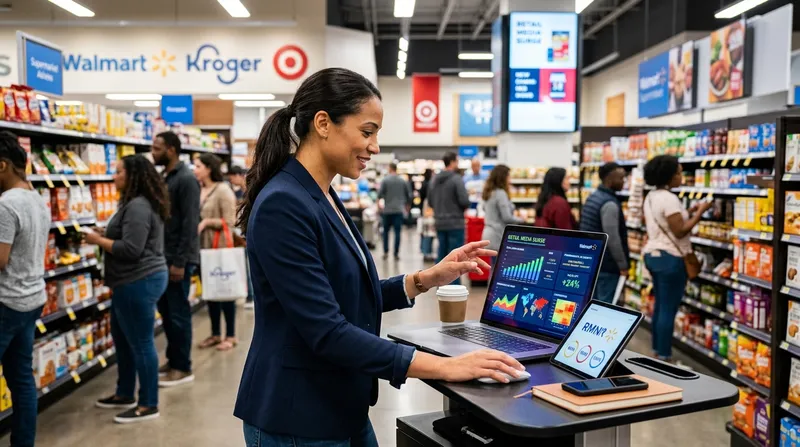
The expansion of retail media networks is quickly redefining the channels available for advertisers within the programmatic space. These networks are transforming how brands reach consumers by leveraging first-party data and the unique platforms provided by retailers. As major companies like Walmart, Target, and Amazon continue to invest heavily in their media networks, marketers are presented with fresh opportunities to engage audiences and drive measurable performance across digital channels.
The Rise of Retail Media Networks
Retail media networks have gained momentum as retailers realize the value in monetizing their customer data and physical/online real estate. The shift towards e-commerce and the decline of third-party cookies further amplify the urgency for brands to find alternative ways to target audiences. This is where retail media networks come in, offering advertisers access to valuable first-party data and highly contextual ad placements.
Why Retail Media Networks Stand Out
1. First-Party Data Advantage: One of the most significant draws of retail media networks is their access to first-party data, which is becoming increasingly crucial as privacy regulations tighten. Retailers can harness insights from customer purchase history, browsing behavior, and loyalty programs, offering advertisers a potent mix of precision targeting capabilities.
2. High Intent Audiences: Retail environments naturally attract high intent audiences ready to make purchases, enhancing the quality of impressions and the likelihood of conversions. Ads placed within these contexts often translate directly to clear, attributable sales outcomes for advertisers.
3. Closed-Loop Measurement: Retail media networks offer closed-loop reporting, which allows advertisers to measure the impact of their campaigns with accuracy. Brands can tie sales and other key performance indicators directly to their digital ad spend, leading to improved optimization and ROI.
Integration with Programmatic Advertising
Retail media networks seamlessly integrate into the programmatic ecosystem, blending traditional digital advertising with cutting-edge technologies. This synergy is creating a new frontier for digital marketing strategies.
Programmatic Buying in Retail Media
Retailers are employing programmatic buying to enhance the efficiency and scale of their offerings. This automation enables advertisers to execute demand-driven campaigns quickly and efficiently, facilitating more dynamic engagement strategies compared to traditional media buying.
1. Custom Audiences: By utilizing programmatic buying, advertisers can tap into custom audience segments curated from retailer data. This personalization allows for highly specific targeting, catering to niche demographics that align closely with brand objectives.
2. Dynamic Creative Optimization: Retail media networks benefit from the application of dynamic creative optimization, allowing advertisers to personalize ad content in real-time. This flexibility ensures that consumers are met with ads that resonate with their current needs or interests, maximizing relevance and engagement.
Challenges and Considerations
While retail media networks present remarkable opportunities, they also pose unique challenges. Advertisers must navigate complex ecosystems and consider several factors to maximize their campaigns' effectiveness.
Data Privacy and Compliance
As with any advertising medium reliant on data, privacy regulations are a critical consideration. Advertisers need to ensure compliance with legislation like GDPR and CCPA by utilizing consent management platforms and prioritizing transparency in data usage.
Homogeneity in Offerings
As more retailers build their media networks, the landscape is becoming increasingly homogenized. Brands may need to differentiate their strategies and tailor campaigns to the unique attributes of each network to avoid diluting their messaging.
Future Outlook
The continual evolution of retail media networks indicates that they are here to stay, set to become integral to digital advertising strategies across industries. As these networks evolve, we can anticipate further advancements, such as more sophisticated data analytics, refined targeting mechanisms, and seamless integration across omnichannel experiences.
Innovations in machine learning and artificial intelligence are expected to play significant roles, optimizing retail media network capabilities and transforming the advertiser-consumer interaction. Brands that adapt to these developments will likely stand at the forefront of digital marketing excellence, as they tap into the wealth of opportunities presented by retail media networks.
In conclusion, the surge of retail media networks is more than a trend; it represents a paradigm shift in programmatic advertising channels. By embracing this new frontier, advertisers can access unparalleled tools to engage effectively with their desired audiences while navigating the changing tides of the digital marketing ecosystem.