The Impact of Retail Media Networks on Programmatic Advertising Growth
Introduction
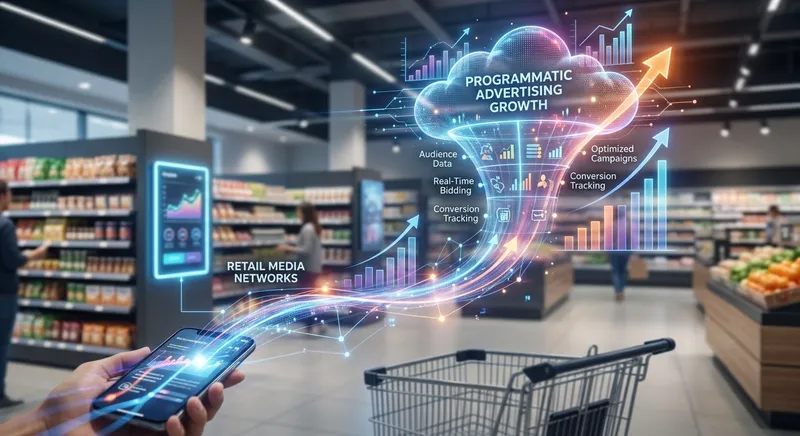
In recent years, Retail Media Networks (RMNs) have emerged as a significant force in the digital advertising industry. With major retailers like Walmart, Amazon, and Target amplifying their advertising capabilities, these networks have become essential conduits for reaching engaged consumer bases. As digital commerce becomes increasingly integrated into our daily lives, RMNs are expanding their influence on programmatic advertising.
The Rise of Retail Media Networks
RMNs are essentially digital platforms created by retailers to aggregate their customer data and offer ad inventory to brands. This model allows retailers to monetize their web traffic while providing brands with targeted ad placements.
According to eMarketer, U.S. retail media ad spending is projected to reach $52 billion by 2023, accounting for nearly 20% of digital ad spend overall. This growth trajectory highlights how brands are increasingly turning to RMNs to access first-party data and achieve higher return on ad spend (ROAS).
Key Drivers of RMN Growth
1. Access to First-Party Data: RMNs provide advertisers with access to vast amounts of first-party data derived from retail transactions, which enhances targeting precision.
2. Closed-Loop Measurement: Advertisers can measure the direct impact of their campaigns on sales, offering a definitive ROI.
3. Omnichannel Engagement: RMNs facilitate cross-channel campaigns, bridging in-store and online experiences seamlessly.
4. Shift from Traditional Media: As shoppers move online, advertising spends are shifting from traditional media towards RMNs.
Programmatic Advertising's Role in RMNs
Programmatic advertising plays a critical role in powering RMNs by automating the buying and selling of ad impressions in real-time. This aligns well with RMNs' need for efficiency and scalability, allowing for dynamic audience segmentation and personalized creative.
Real-Time Bidding (RTB) Advantages
Efficiency: Programmatic platforms enable automated buying, which reduces the time and resources spent on manual negotiations.
Precision: With access to retail data, programmatic buying allows for granular audience targeting based on purchase behavior.
Personalization: Advertisers can leverage dynamic creative optimization (DCO) to tailor messages to individuals based on their shopping history and preferences.
Challenges and Considerations for Marketers
While RMNs offer numerous benefits, marketers must navigate several challenges to maximize their programmatic efforts.
Data Privacy and Compliance
With regulations like GDPR and CCPA imposing stringent requirements on data usage, brands and retailers must ensure compliance to avoid hefty fines. Effective consent management and transparency are critical components of ethical data usage.
Fragmentation and Integration
The proliferation of RMNs poses challenges related to fragmentation, as brands often need to work across multiple networks to achieve comprehensive coverage. This necessitates advanced integration capabilities and strategic coordination.
Attribution and Measurement
As RMNs continue to evolve, ensuring accurate attribution becomes crucial. Brands need innovative measurement methodologies to capture the full impact of their RMN investments.
Future Outlook: How RMNs Might Evolve
The future of retail media is poised for even more integration with emerging tech trends and consumer behaviors.
Emergence of AI and Machine Learning
AI and machine learning will enhance programmatic capabilities within RMNs, enabling more sophisticated customer insights and predictive analytics.
Advanced Shopper Personalization
Expect further personalization of the shopping experience, as brands and retailers tailor offers and content to individual shopper profiles in real-time.
Partnering for Greater Impact
Partnerships between RMNs and social media platforms may emerge, creating hybrid ad models that bridge traditional barriers and expand audience reach.
Conclusion
The evolution of Retail Media Networks represents a significant shift in the programmatic advertising landscape. By leveraging first-party data, brands can create more targeted, personalized ad experiences that resonate with today’s consumers. However, the challenges of privacy compliance, fragmentation, and attribution need to be managed strategically. As RMNs continue to grow, they will undoubtedly play a pivotal role in shaping the future of digital advertising.