The Rise of Retail Media Networks: Transforming Programmatic Advertising in 2023
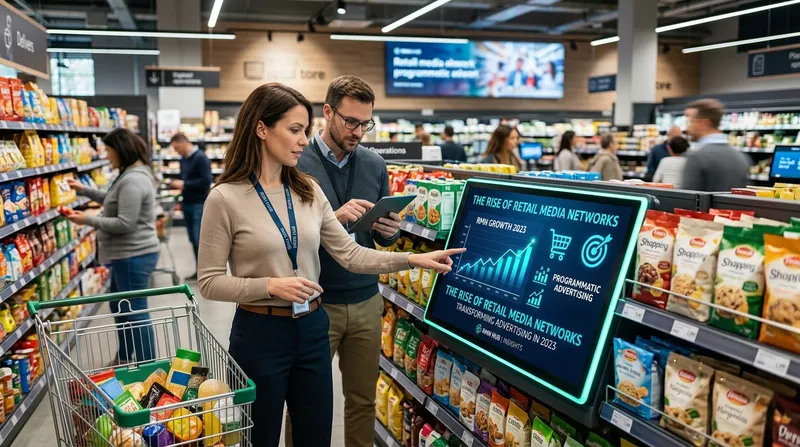
In recent years, programmatic advertising has witnessed a paradigm shift with the rapid emergence of retail media networks (RMNs). These networks are transforming how brands engage with consumers, providing an essential channel for advertisers seeking to leverage first-party data and gain a competitive advantage.
Understanding Retail Media Networks
RMNs are digital platforms where retailers leverage their first-party data to deliver targeted advertisements to their audience, often integrated into their e-commerce websites or apps. Unlike traditional digital ad networks, RMNs capitalize on the direct consumer relationship, providing advertisers with valuable insights from purchase behavior and site interactions.
The Appeal of First-Party Data
In the wake of growing privacy concerns and stricter data regulations, first-party data has become increasingly valuable. RMNs allow retailers to harness this data effectively, offering advertisers a reliable way to reach well-defined target audiences without infringing on consumer privacy. By doing so, RMNs align with compliance standards like GDPR and CCPA, ensuring that advertising practices remain transparent and respectful of user data.
How RMNs are Reshaping Programmatic Advertising
The integration of RMNs within programmatic advertising brings several key innovations:
Enhanced Targeting Capabilities
RMNs use sophisticated algorithms to process vast amounts of first-party data, allowing advertisers to deliver highly personalized ad experiences. This level of precision targeting is unmatched by traditional programmatic channels, which often rely on third-party cookies and fragmented data sources. As a result, advertisers can achieve higher ROI with more strategic ad placements.
Seamless Integration with E-commerce
RMNs provide advertisers the unique ability to place ads directly within retailer platforms, thereby seamlessly integrating the shopping and advertising experiences. This native ad placement ensures that advertisements are relevant and viewed within a context conducive to conversion, improving engagement rates and ultimately driving more effective sales outcomes.
The Competitive Landscape of RMNs
As RMNs gain prominence, several key players have emerged, each offering distinct benefits:
Amazon Advertising
Amazon, a pioneer in the RMN space, offers brands access to an expansive audience coupled with robust data insights. Their platform includes a variety of ad formats, from sponsored products to display ads, enabling advertisers to reach consumers at multiple touchpoints throughout their buying journey.
Walmart Connect
Walmart Connect has rapidly expanded its capabilities, leveraging its vast network of stores and online presence to provide advertisers with comprehensive targeting options. Their use of machine learning models continuously fine-tunes ad delivery, maximizing ad performance.
Kroger Precision Marketing
Kroger utilizes its loyalty data to deliver targeted ads, making it a formidable contender in the RMN sector. Their focus on personalized ad experiences helps brands engage with precise shopper segments, leading to more successful campaign outcomes.
Challenges Facing RMNs
Despite their potential, RMNs face several hurdles:
Balancing User Experience
The integration of ads into the shopping process must be subtle enough to avoid disrupting the user experience. Overload or irrelevant ads can detract from the shopping experience, necessitating a delicate balance between commercial intent and customer satisfaction.
Data Management and Privacy
Managing vast troves of first-party data poses significant challenges, especially when striving for compliance with stringent privacy regulations. Retailers must ensure robust data management practices to protect consumer information while meeting legal requirements.
The Future of RMNs
Looking ahead, RMNs are set to become indispensable components of the digital marketing ecosystem:
Accelerated Adoption
We can expect to see accelerated adoption of RMNs as more retailers recognize their potential to drive revenue and enhance consumer engagement. As the RMN landscape matures, technological advancements and increased competition will likely lead to further innovations in ad targeting and measurement.
Integration with Omnichannel Strategies
RMNs will increasingly become integrated with broader omnichannel marketing strategies, bridging the gap between online and offline consumer experiences. Retailers will leverage data from various touchpoints to craft cohesive advertising narratives that resonate with consumers across all channels.
In conclusion, retail media networks represent a transformative force within the programmatic advertising landscape, offering both new opportunities and challenges for advertisers and retailers. As these networks continue to evolve, they will redefine how brands connect with consumers, making them a critical focal point for any forward-thinking marketing strategy.