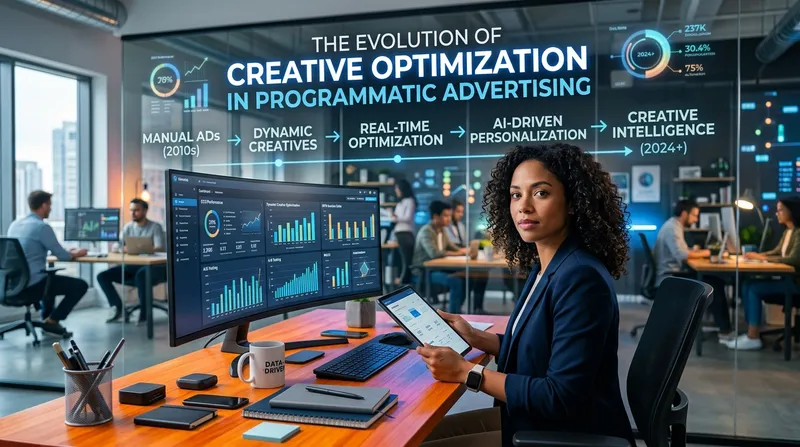
The Evolution of Creative Optimization in Programmatic Advertising
Introduction
In the ever-evolving landscape of programmatic advertising, creative optimization is emerging as a crucial element in delivering personalized and impactful ad experiences. Unlike traditional ad formats that rely heavily on static displays, innovative technologies now empower advertisers to dynamically adapt creatives in real-time based on audience data, context, and performance insights. This article delves into the transformative role of creative optimization within programmatic advertising, highlighting current trends, technologies, and best practices.
The Historical Context of Creative Optimization
Traditional Ad Creatives: Limitations in Programmatic
Traditionally, ad creatives in programmatic environments were limited by static designs and broad targeting criteria, which often led to generic messaging. Such approaches frequently resulted in lower engagement, as ads lacked personalization and contextual relevance. The need for a more dynamic solution was apparent as advertisers sought to improve customer engagement and ROI.
The Shift Toward Dynamic Creative Optimization (DCO)
Dynamic Creative Optimization (DCO) has revolutionized how advertisers approach creative design in programmatic campaigns. DCO uses data signals and automated tools to assemble and tailor ads in real-time to fit the viewer's profile and preferences. By analyzing data points such as location, device, demographics, and browsing behavior, DCO enables brands to deliver hyper-targeted content that resonates with individual users, resulting in higher engagement rates.
Technological Advances Driving Creative Optimization
AI and Machine Learning: The Backbone of Creative Adaptation
Artificial intelligence (AI) and machine learning (ML) are transforming creative optimization by enabling more insightful audience understanding and predictive analysis. These technologies power algorithms that can autonomously adjust ad elements based on performance data, competition, budget changes, and historical results. AI-driven creative adaptation facilitates split-second decision-making, ensuring the right creative is delivered to the right user at the right time.
Integrating Data Analytics for Creative Insights
Data analytics tools are critical in dissecting ad performance, user engagement, and customer conversion paths. Utilizing data from multiple sources allows advertisers to glean insights into creative elements driving the most interaction. This data-driven approach to creative design refines messaging and visual elements, enhancing the overall effectiveness of programmatic campaigns. Embracing such analytics promotes an iterative improvement process that is agile and responsive to changing market dynamics.
Best Practices for Implementing Creative Optimization
Balancing Personalization with Privacy
While personalization remains a key advantage of creative optimization, advertisers must carefully navigate the growing landscape of privacy regulations. Balancing personalization and user privacy means employing first-party data effectively and being transparent with consumers about data usage. Adhering to privacy laws such as GDPR and CCPA is essential to maintaining trust and compliance.
Creative Strategy: Testing and Iteration
A successful creative optimization strategy involves constant testing and iteration. A/B testing and multivariate testing are essential for understanding which creative elements resonate best with different audience segments. Continuous experimentation helps optimize ad performance and discover new insights into consumer preferences.
The Future of Creative Optimization in Programmatic Advertising
Real-Time Evolution and Creative Fluidity
As programmatic advertising technologies continue to advance, creative materials will become even more fluid and customizable in real-time. Future innovations will likely enhance the precision of audience targeting and creative customization, enabling advertisers to deliver seamless, personalized experiences that feel organically integrated into users’ digital journeys.
Embracing Multichannel and Omnichannel Strategies
The convergence of various digital channels means creative optimization strategies must be adaptable across different media. An integrated multichannel approach ensures consistency in messaging across platforms, enhancing brand cohesiveness and amplifying reach. Embracing an omnichannel creative strategy is crucial to maximizing the potential of programmatic advertising campaigns.
Conclusion
Creative optimization is not merely a trend but a fundamental shift in how advertisers engage with audiences through programmatic advertising. By leveraging dynamic creative technologies, AI, and data analytics, brands can deliver unparalleled personalization and relevance. As the digital advertising landscape continues to evolve, embracing innovative creative optimization strategies will be key to staying competitive and generating meaningful consumer interactions.