The Rise of Programmatic Digital Out-of-Home: Capturing Audiences On-The-Move
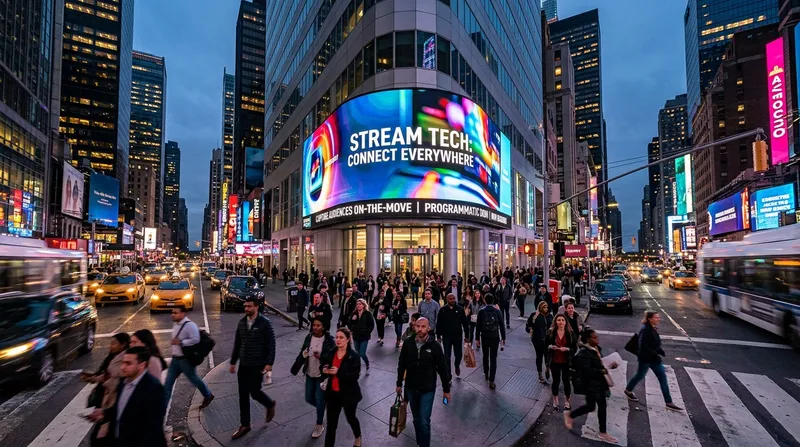
Programmatic advertising has rapidly evolved over the past few years, seamlessly integrating with various digital channels. Among such advancements is Programmatic Digital Out-of-Home (DOOH) advertising, a dynamic shift in how brands communicate with audiences in physical environments.
Understanding Programmatic DOOH
Programmatic DOOH refers to the automated buying and selling of digital outdoor advertising spaces. Unlike traditional static billboards, DOOH involves digital screens that can be updated in real-time, offering advertisers the ability to tailor messages based on factors such as location, time, and audience demographics.
Technology Behind Programmatic DOOH
At the core of programmatic DOOH are advancements in data analytics, location-based services, and screen technology. AI-driven platforms utilize data to make real-time bidding (RTB) possible for highly relevant ad placements. This contrasts with traditional methods where buying outdoor ad space often involved manual negotiations and preset inventory.
Integrating IoT and AI
The integration of Internet of Things (IoT) technology has opened new frontiers for programmatic DOOH. IoT devices capture data from various sources, such as weather updates and local events, allowing advertisers to adapt their campaigns situationally. Additionally, AI algorithms analyze foot traffic patterns and demographics to optimize ad delivery.
Current Trends in Programmatic DOOH
Increasing Connectivity with 5G
The rollout of 5G technology has significantly boosted the capabilities of programmatic DOOH. Faster data transfer rates enable higher-resolution content and interactive ads, enhancing consumer engagement in real-time.
Data-Driven Creative Strategies
Personalized messaging is becoming more prevalent as brands seek to craft content that resonates with specific audience segments. By leveraging audience insights, advertisers can deploy contextually relevant ads rather than adopting a one-size-fits-all approach.
Measuring Impact and Effectiveness
One of the key challenges in DOOH has been tracking performance accurately. However, with the integration of advanced analytics tools, advertisers can now assess viewership and engagement levels more precisely.
Metrics That Matter
Programmatic DOOH platforms offer insights into impressions, audience reach, and dwell time. This data is crucial for marketers aiming to calculate Return on Investment (ROI) and optimize future campaigns.
Attribution Models
Modern attribution models have evolved to link DOOH exposures with concrete actions like store visits or online interactions. This helps brands understand the direct impact of their DOOH strategies while justifying advertising spend.
Challenges and Privacy Concerns
Balancing Personalization and Privacy
While data drives personalization, it also raises privacy concerns. As an industry reliant on location data and behavior tracking, DOOH advertisers must comply with stringent privacy regulations such as GDPR and CCPA.
Transparency and Trust
Building consumer trust is critical. Clear communication about data usage and obtaining explicit consent are vital steps in maintaining transparency. Advertisers must ensure that data collection aligns with privacy laws and ethical standards.
Future Outlook
The trajectory for programmatic DOOH is promising, especially as urban centers become more digitally connected. As technology advances, we can expect even more sophisticated targeting and interactive experiences.
The Path Forward
Agile marketers who adopt programmatic DOOH early will likely gain a competitive edge. As the industry matures, staying ahead of technological advancements and consumer behavior changes will be key to maximizing DOOH's potential.
In conclusion, Programmatic DOOH offers an innovative frontier for engaging consumers in outdoor spaces. As brands continue to explore this dynamic channel, the synergy between technology, creativity, and data-driven strategies will define success in capturing audiences on-the-move.